Buy imagehosting.eu ?
We are moving the project
imagehosting.eu .
Are you interested in purchasing the domain
imagehosting.eu ?
domain@kv-gmbh.de · 0541-91531010
Buy imagehosting.eu ?
What is the appeasement policy?
The appeasement policy was a diplomatic strategy employed by European powers, particularly Britain and France, in the 1930s in response to the aggressive expansionist actions of Nazi Germany. The policy aimed to avoid conflict and maintain peace by giving in to some of Germany's demands in the hopes of preventing further aggression. This approach was based on the belief that by satisfying some of Germany's territorial and political ambitions, it would reduce the likelihood of war. However, the policy ultimately failed as it only emboldened Germany, leading to the outbreak of World War II. **
What was the British appeasement policy?
The British appeasement policy was a strategy employed by the British government in the 1930s to avoid conflict with Nazi Germany. It involved giving in to some of Hitler's demands in the hopes of preventing another world war. The policy was criticized for being too lenient and ultimately failed to prevent the outbreak of World War II. **

Similar search terms for Appeasement
Top-Angebote
Products related to Appeasement:
-
Pfaltzgraff Winterberry Red Ribbon Share Plate, 12 InchAs fall turns to winter, bright holly berries make their appearance. Winterberry by Pfaltzgraff is the holiday classic that brings this timeless motif to life in elegantly sculpted dinnerware and serveware, beautiful glassware, and joyous giftware.29,49 $*Shipping: 0,00 $Secure redirect to the provider


-
Are there alternatives to appeasement policy?
Yes, there are alternatives to appeasement policy. One alternative is a policy of deterrence, where a country builds up its military strength to deter aggression from other nations. Another alternative is a policy of containment, where a country works to contain the influence of a hostile nation without directly confronting it. Additionally, diplomacy and negotiation can be used as alternatives to appeasement, where countries engage in dialogue and seek peaceful resolutions to conflicts. **
-
What is the policy of appeasement?
Appeasement is a diplomatic strategy where one country gives in to the demands of another in order to avoid conflict or maintain peace. This policy is often criticized for being short-sighted and ultimately failing to prevent aggression from the country whose demands are being appeased. One of the most well-known examples of appeasement is the policy pursued by European powers towards Nazi Germany in the years leading up to World War II, where concessions were made to Hitler in an attempt to avoid war. **
-
What does the appeasement policy mean?
The appeasement policy refers to the strategy of giving in to the demands of a hostile power in order to avoid conflict. This approach is based on the belief that by accommodating the aggressor's demands, tensions can be reduced and peace can be maintained. The term is often associated with the policy of appeasement pursued by European powers towards Nazi Germany in the 1930s, which ultimately failed to prevent the outbreak of World War II. **
-
Is the policy of appeasement sensible?
The policy of appeasement can be sensible in certain situations, such as when a country is trying to avoid unnecessary conflict and maintain peace. However, it can also be seen as enabling aggressive behavior and failing to address underlying issues. Ultimately, the effectiveness of appeasement depends on the specific context and the willingness of the aggressor to engage in peaceful negotiations. It is important to carefully consider the potential consequences and long-term implications of appeasement before implementing such a policy. **


What was the appeasement policy during Hitler's time?
The appeasement policy was a diplomatic strategy employed by European powers, particularly Britain and France, in the 1930s in response to Adolf Hitler's aggressive expansionist policies. The policy involved giving in to some of Hitler's demands in the hopes of avoiding war and maintaining peace. However, this approach ultimately failed as Hitler continued to push for more territorial gains, leading to the outbreak of World War II. The appeasement policy is now widely criticized for emboldening Hitler and allowing him to strengthen his military capabilities unchecked. **
What was the policy of appeasement during Hitler's time?
The policy of appeasement during Hitler's time was a strategy adopted by Western powers, particularly Britain and France, in the 1930s. It involved giving in to some of Hitler's demands in the hopes of avoiding conflict and maintaining peace. The policy was based on the belief that by appeasing Hitler and meeting some of his demands, further aggression could be prevented. However, this approach ultimately failed as Hitler continued to expand his territory and power, leading to the outbreak of World War II. **
Top-Angebote
Products related to Appeasement:
-
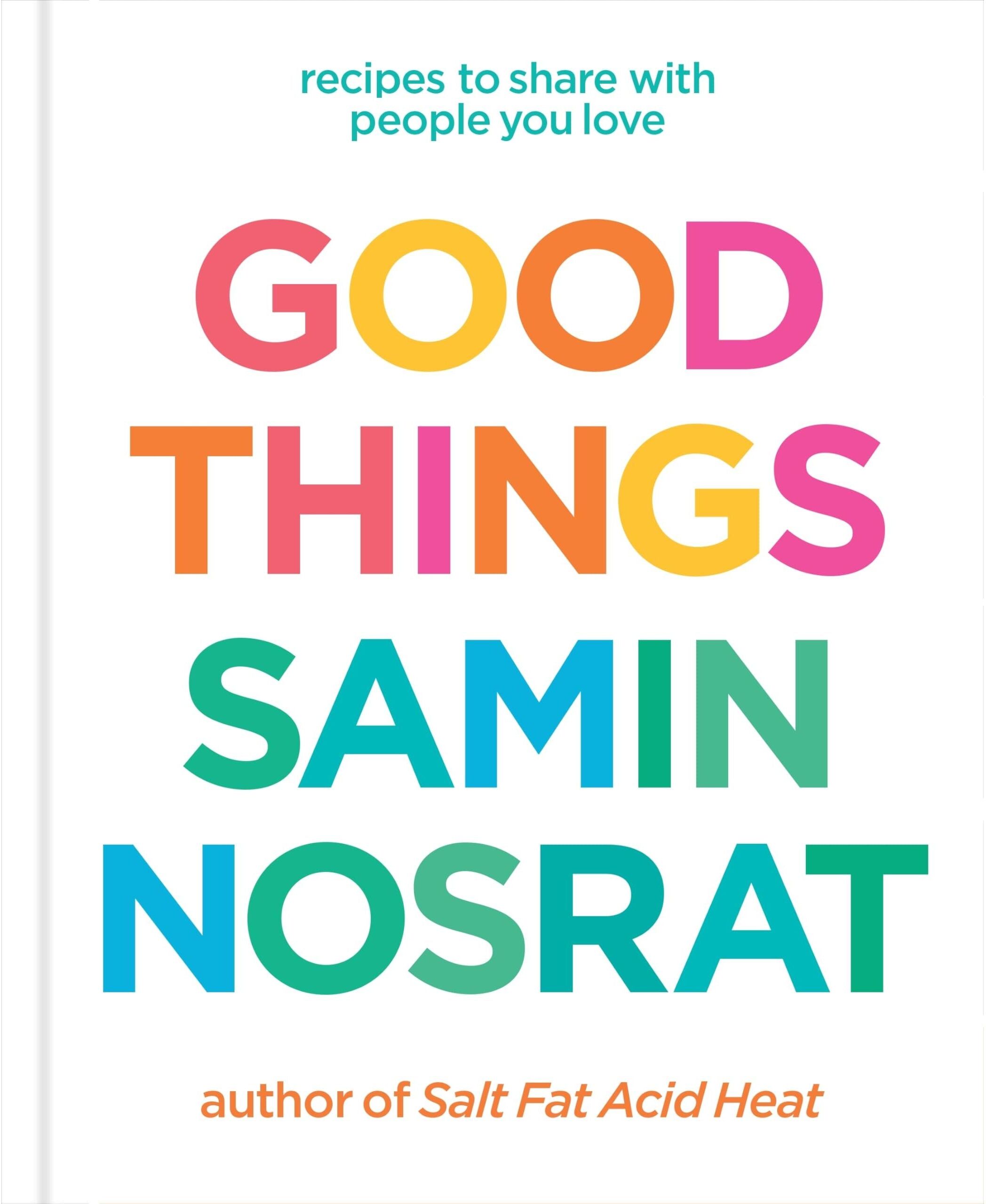
Ebury Press Good Things: Recipes to Share with People You Love - From the Host and Bestselling Author of Salt, Fat, Acid, Heat.Once I hand them off to you, these recipes are no longer mine. They’re yours, to do with as you please. And maybe, in the act of receiving, a little thread of connection will be woven between me and each of you. How can a recipe express the joy of sharing a meal in person? This is the feeling that Samin Nosrat sets out to capture in Good Things, offering more than 125 recipes for the things she most loves to cook. You’ll find go-to recipes for ricotta custard pancakes, chicken braised with apricots and harissa, a crunchy Calabrian chili crisp, super-chewy sky-high focaccia and a decades-in-the-making, childhood-evoking yellow cake. Samin also shares tips and techniques, from how to buy olive oil (check the harvest date) to when to splurge on the best ingredients (salad dressing) to the one acceptable substitute for Parmigiano Reggiano (Grana Padano, if you must). Good Things captures, with Samin’s trademark blend of warmth and precision, the essence of what makes cooking such an important source of comfort and delight, and invites you to join her at the table.23,99 £*Shipping: 2,99 £Secure redirect to the provider
-
Scholastic Share Black Stories: Picture Book ProfilesThese three stories are tales of hope, courage, and inspiration.This set includes:Bessie the Motorcycle QueenI Am Ruby BridgesJust Like Jesse Owens Share Black Stories: Picture Book Profiles47,57 $*Shipping: 0,00 $Secure redirect to the provider
-
Pfaltzgraff Winterberry Red Ribbon Share Plate, 12 InchAs fall turns to winter, bright holly berries make their appearance. Winterberry by Pfaltzgraff is the holiday classic that brings this timeless motif to life in elegantly sculpted dinnerware and serveware, beautiful glassware, and joyous giftware.29,49 $*Shipping: 0,00 $Secure redirect to the provider
-
What is the appeasement policy?
The appeasement policy was a diplomatic strategy employed by European powers, particularly Britain and France, in the 1930s in response to the aggressive expansionist actions of Nazi Germany. The policy aimed to avoid conflict and maintain peace by giving in to some of Germany's demands in the hopes of preventing further aggression. This approach was based on the belief that by satisfying some of Germany's territorial and political ambitions, it would reduce the likelihood of war. However, the policy ultimately failed as it only emboldened Germany, leading to the outbreak of World War II. **
-
What was the British appeasement policy?
The British appeasement policy was a strategy employed by the British government in the 1930s to avoid conflict with Nazi Germany. It involved giving in to some of Hitler's demands in the hopes of preventing another world war. The policy was criticized for being too lenient and ultimately failed to prevent the outbreak of World War II. **
-
Are there alternatives to appeasement policy?
Yes, there are alternatives to appeasement policy. One alternative is a policy of deterrence, where a country builds up its military strength to deter aggression from other nations. Another alternative is a policy of containment, where a country works to contain the influence of a hostile nation without directly confronting it. Additionally, diplomacy and negotiation can be used as alternatives to appeasement, where countries engage in dialogue and seek peaceful resolutions to conflicts. **
-
What is the policy of appeasement?
Appeasement is a diplomatic strategy where one country gives in to the demands of another in order to avoid conflict or maintain peace. This policy is often criticized for being short-sighted and ultimately failing to prevent aggression from the country whose demands are being appeased. One of the most well-known examples of appeasement is the policy pursued by European powers towards Nazi Germany in the years leading up to World War II, where concessions were made to Hitler in an attempt to avoid war. **
Similar search terms for Appeasement
-
What does the appeasement policy mean?
The appeasement policy refers to the strategy of giving in to the demands of a hostile power in order to avoid conflict. This approach is based on the belief that by accommodating the aggressor's demands, tensions can be reduced and peace can be maintained. The term is often associated with the policy of appeasement pursued by European powers towards Nazi Germany in the 1930s, which ultimately failed to prevent the outbreak of World War II. **
-
Is the policy of appeasement sensible?
The policy of appeasement can be sensible in certain situations, such as when a country is trying to avoid unnecessary conflict and maintain peace. However, it can also be seen as enabling aggressive behavior and failing to address underlying issues. Ultimately, the effectiveness of appeasement depends on the specific context and the willingness of the aggressor to engage in peaceful negotiations. It is important to carefully consider the potential consequences and long-term implications of appeasement before implementing such a policy. **
-
What was the appeasement policy during Hitler's time?
The appeasement policy was a diplomatic strategy employed by European powers, particularly Britain and France, in the 1930s in response to Adolf Hitler's aggressive expansionist policies. The policy involved giving in to some of Hitler's demands in the hopes of avoiding war and maintaining peace. However, this approach ultimately failed as Hitler continued to push for more territorial gains, leading to the outbreak of World War II. The appeasement policy is now widely criticized for emboldening Hitler and allowing him to strengthen his military capabilities unchecked. **
-
What was the policy of appeasement during Hitler's time?
The policy of appeasement during Hitler's time was a strategy adopted by Western powers, particularly Britain and France, in the 1930s. It involved giving in to some of Hitler's demands in the hopes of avoiding conflict and maintaining peace. The policy was based on the belief that by appeasing Hitler and meeting some of his demands, further aggression could be prevented. However, this approach ultimately failed as Hitler continued to expand his territory and power, leading to the outbreak of World War II. **
* All prices are inclusive of VAT and, if applicable, plus shipping costs. The offer information is based on the details provided by the respective shop and is updated through automated processes. Real-time updates do not occur, so deviations can occur in individual cases. ** Note: Parts of this content were created by AI.