Buy imagehosting.eu ?
We are moving the project
imagehosting.eu .
Are you interested in purchasing the domain
imagehosting.eu ?
domain@kv-gmbh.de · 0541-91531010
Buy imagehosting.eu ?
Is the short story fictional or non-fictional?
The short story is fictional. It is a work of fiction that tells a made-up story, often involving characters, events, and settings that are not real. Fictional stories are created by the author's imagination and are not based on real events or people. **
What is the difference between fictional and non-fictional texts?
Fictional texts are narratives that are created from the author's imagination and are not based on real events or people. They often include elements of storytelling, such as characters, plot, and setting. Non-fictional texts, on the other hand, are based on real events, people, and information. They are meant to inform or educate the reader about a particular topic, and are often written in a more straightforward and factual style. Overall, the key difference between the two is that fictional texts are made-up stories, while non-fictional texts are based on real-life events and information. **
Similar search terms for Fictional
Top-Angebote
Products related to Fictional:
-
Pfaltzgraff Winterberry Red Ribbon Share Plate, 12 InchAs fall turns to winter, bright holly berries make their appearance. Winterberry by Pfaltzgraff is the holiday classic that brings this timeless motif to life in elegantly sculpted dinnerware and serveware, beautiful glassware, and joyous giftware.29,49 $*Shipping: 0,00 $Secure redirect to the provider


-
What are fictional places?
Fictional places are locations that are created within works of fiction, such as books, movies, or television shows. These places do not exist in the real world, but are imagined by the author or creator of the work. They can range from fantastical realms like Narnia or Middle-earth to more realistic settings like the town of Maycomb in "To Kill a Mockingbird." Fictional places serve as the backdrop for the story and often play a significant role in shaping the narrative and the characters' experiences. **
-
What are fictional elements?
Fictional elements are the imaginative and made-up components that contribute to the creation of a fictional story or world. These elements can include characters, settings, events, and objects that do not exist in reality but are essential to the narrative. Fictional elements allow authors to create unique and captivating stories that transport readers to new and fantastical worlds. They are a key aspect of fiction and play a crucial role in engaging the audience and bringing the story to life. **
-
What are some name ideas for a fictional country and a fictional city?
For a fictional country, some name ideas could be "Aurora" to evoke a sense of beauty and wonder, "Veridian" to convey a lush, green landscape, or "Novaria" to suggest a new and innovative society. For a fictional city, names like "Elysium" could imply a paradise-like setting, "Havenbrook" to suggest a safe and welcoming community, or "Aurelia" to convey a sense of prosperity and golden opportunities. These names can help set the tone and atmosphere for the fictional world you are creating. **
-
What is a fictional cult?
A fictional cult is a group of individuals who follow a set of beliefs, practices, or rituals that are often extreme or unconventional. These cults are created by authors, filmmakers, or other creators as part of a fictional story or world. They can serve as a plot device to explore themes of power, control, manipulation, or the dangers of blind faith. Fictional cults can range from secretive organizations with sinister motives to groups that genuinely believe in their cause but may be misguided or harmful. **

What are my fictional characters?
Your fictional characters are the individuals you have created in your stories, novels, or other forms of writing. They are the personalities that drive the plot forward, each with their own unique traits, motivations, and backstories. These characters can be heroes, villains, sidekicks, or any other role you have envisioned for them, and they play a crucial role in bringing your stories to life and engaging your readers. **
What does semi-fictional mean?
Semi-fictional refers to a work that is partially based on real events or people, but also contains elements of fiction. This could include a story that is inspired by true events, but with fictionalized characters and plot details. It can also refer to a work that blurs the line between reality and imagination, incorporating both real and fictional elements. **
Top-Angebote
Products related to Fictional:
-
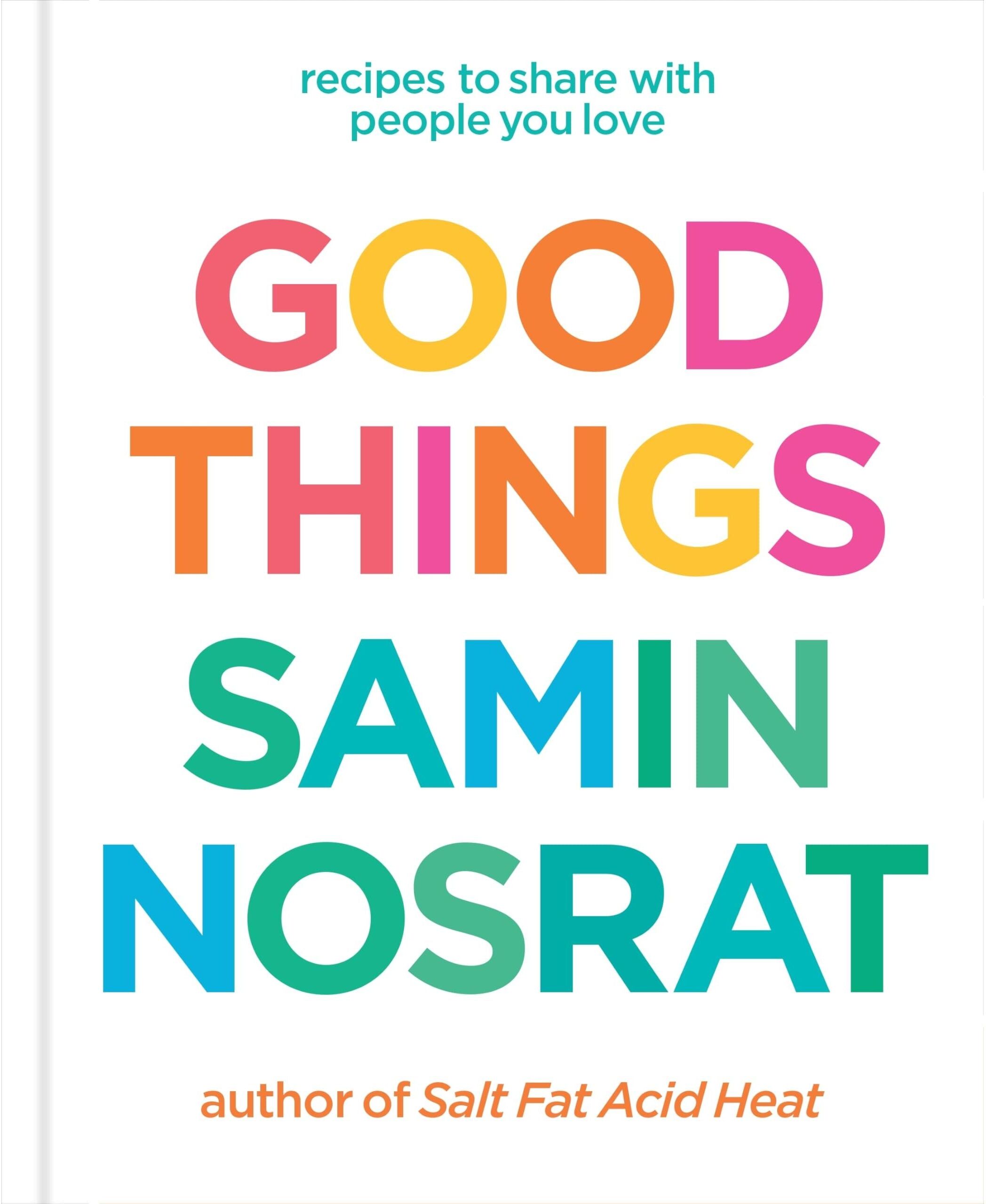
Ebury Press Good Things: Recipes to Share with People You Love - From the Host and Bestselling Author of Salt, Fat, Acid, Heat.Once I hand them off to you, these recipes are no longer mine. They’re yours, to do with as you please. And maybe, in the act of receiving, a little thread of connection will be woven between me and each of you. How can a recipe express the joy of sharing a meal in person? This is the feeling that Samin Nosrat sets out to capture in Good Things, offering more than 125 recipes for the things she most loves to cook. You’ll find go-to recipes for ricotta custard pancakes, chicken braised with apricots and harissa, a crunchy Calabrian chili crisp, super-chewy sky-high focaccia and a decades-in-the-making, childhood-evoking yellow cake. Samin also shares tips and techniques, from how to buy olive oil (check the harvest date) to when to splurge on the best ingredients (salad dressing) to the one acceptable substitute for Parmigiano Reggiano (Grana Padano, if you must). Good Things captures, with Samin’s trademark blend of warmth and precision, the essence of what makes cooking such an important source of comfort and delight, and invites you to join her at the table.23,99 £*Shipping: 2,99 £Secure redirect to the provider
-
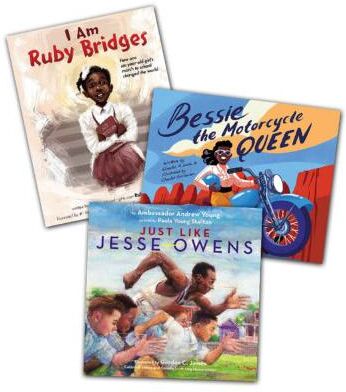
Scholastic Share Black Stories: Picture Book ProfilesThese three stories are tales of hope, courage, and inspiration.This set includes:Bessie the Motorcycle QueenI Am Ruby BridgesJust Like Jesse Owens Share Black Stories: Picture Book Profiles47,57 $*Shipping: 0,00 $Secure redirect to the provider
-
Pfaltzgraff Winterberry Red Ribbon Share Plate, 12 InchAs fall turns to winter, bright holly berries make their appearance. Winterberry by Pfaltzgraff is the holiday classic that brings this timeless motif to life in elegantly sculpted dinnerware and serveware, beautiful glassware, and joyous giftware.29,49 $*Shipping: 0,00 $Secure redirect to the provider
-
Is the short story fictional or non-fictional?
The short story is fictional. It is a work of fiction that tells a made-up story, often involving characters, events, and settings that are not real. Fictional stories are created by the author's imagination and are not based on real events or people. **
-
What is the difference between fictional and non-fictional texts?
Fictional texts are narratives that are created from the author's imagination and are not based on real events or people. They often include elements of storytelling, such as characters, plot, and setting. Non-fictional texts, on the other hand, are based on real events, people, and information. They are meant to inform or educate the reader about a particular topic, and are often written in a more straightforward and factual style. Overall, the key difference between the two is that fictional texts are made-up stories, while non-fictional texts are based on real-life events and information. **
-
What are fictional places?
Fictional places are locations that are created within works of fiction, such as books, movies, or television shows. These places do not exist in the real world, but are imagined by the author or creator of the work. They can range from fantastical realms like Narnia or Middle-earth to more realistic settings like the town of Maycomb in "To Kill a Mockingbird." Fictional places serve as the backdrop for the story and often play a significant role in shaping the narrative and the characters' experiences. **
-
What are fictional elements?
Fictional elements are the imaginative and made-up components that contribute to the creation of a fictional story or world. These elements can include characters, settings, events, and objects that do not exist in reality but are essential to the narrative. Fictional elements allow authors to create unique and captivating stories that transport readers to new and fantastical worlds. They are a key aspect of fiction and play a crucial role in engaging the audience and bringing the story to life. **
Similar search terms for Fictional
-
What are some name ideas for a fictional country and a fictional city?
For a fictional country, some name ideas could be "Aurora" to evoke a sense of beauty and wonder, "Veridian" to convey a lush, green landscape, or "Novaria" to suggest a new and innovative society. For a fictional city, names like "Elysium" could imply a paradise-like setting, "Havenbrook" to suggest a safe and welcoming community, or "Aurelia" to convey a sense of prosperity and golden opportunities. These names can help set the tone and atmosphere for the fictional world you are creating. **
-
What is a fictional cult?
A fictional cult is a group of individuals who follow a set of beliefs, practices, or rituals that are often extreme or unconventional. These cults are created by authors, filmmakers, or other creators as part of a fictional story or world. They can serve as a plot device to explore themes of power, control, manipulation, or the dangers of blind faith. Fictional cults can range from secretive organizations with sinister motives to groups that genuinely believe in their cause but may be misguided or harmful. **
-
What are my fictional characters?
Your fictional characters are the individuals you have created in your stories, novels, or other forms of writing. They are the personalities that drive the plot forward, each with their own unique traits, motivations, and backstories. These characters can be heroes, villains, sidekicks, or any other role you have envisioned for them, and they play a crucial role in bringing your stories to life and engaging your readers. **
-
What does semi-fictional mean?
Semi-fictional refers to a work that is partially based on real events or people, but also contains elements of fiction. This could include a story that is inspired by true events, but with fictionalized characters and plot details. It can also refer to a work that blurs the line between reality and imagination, incorporating both real and fictional elements. **
* All prices are inclusive of VAT and, if applicable, plus shipping costs. The offer information is based on the details provided by the respective shop and is updated through automated processes. Real-time updates do not occur, so deviations can occur in individual cases. ** Note: Parts of this content were created by AI.