Buy imagehosting.eu ?
We are moving the project
imagehosting.eu .
Are you interested in purchasing the domain
imagehosting.eu ?
domain@kv-gmbh.de · 0541-91531010
Buy imagehosting.eu ?
How are hybrid orbitals and molecular orbitals related?
Hybrid orbitals and molecular orbitals are related in that hybrid orbitals are a combination of atomic orbitals that form when atoms bond to create a molecule. These hybrid orbitals then overlap with each other and with other atomic orbitals to form molecular orbitals, which describe the distribution of electrons in a molecule. In other words, hybrid orbitals are the building blocks that contribute to the formation of molecular orbitals, which ultimately determine the bonding and structure of a molecule. **
What are antibonding orbitals?
Antibonding orbitals are molecular orbitals that have higher energy than the corresponding bonding orbitals. They result from the destructive interference of atomic orbitals when they combine to form a molecule. Electrons in antibonding orbitals destabilize the molecule and weaken the bond strength between the atoms. Antibonding orbitals are denoted with an asterisk (*) symbol, such as σ* or π*. **

Similar search terms for Orbitals
Top-Angebote
Products related to Orbitals:
-
Thumbs Up Care Bears Digital Pet - Share BearMeet Share Bear, the sweet purple Care Bear brought to life as an interactive handheld virtual pet. Small, colourful and full of personality, she brings classic Care Bears charm into a fun digital play experience you can take anywhere. With her signature heart shaped lollipop belly badge, Share Bear encourages kindness and caring through simple mini games, nurturing activities and expressive pixel style animations. Children can look after her, play along and enjoy gentle lessons about empathy, friendship and sharing while having fun. Unlock the magic with retro inspired gameplay and easy portable fun that blends 90s nostalgia with modern screen time enjoyment. A lovely gift idea for Care Bears fans, collectors or anyone looking for a positive and playful virtual pet companion. • Meet Share Bear: The lovable purple Care Bear with her heart-shaped lollipop belly badge, brought to life as a fun and interactive virtual pet. • Kindness-Focused Mini Games: Play simple games that encourage sharing and positive play, helping children learn through fun interaction. • Care & Nurture Gameplay: Feed, clean and look after Share Bear just like a classic virtual pet, building caring habits along the way. • Retro Pixel Screen Display: Watch her world come to life on a compact, colourful pixel screen that blends nostalgic charm with modern play. • Expressive Sounds & Reactions: Enjoy sweet animations, cheerful sounds and signature expressions that reflect Share Bear’s joyful personality. • Expressive Sounds & Reactions: Enjoy sweet animations, cheerful sounds and signature expressions that reflect Share Bear’s joyful personality. • Thoughtful Gift for Care Bears Fans: A cute and meaningful present for kids, collectors and anyone who loves nostalgic characters.15,49 £*Shipping: 0,00 £Secure redirect to the provider


-
What are orbitals 2?
Orbitals are regions in an atom where electrons are likely to be found. Orbitals are described by quantum mechanics and have specific shapes and orientations. Orbitals are labeled by their energy level (n) and sublevel (s, p, d, f), and each sublevel contains a specific number of orbitals with different shapes. For example, the second energy level (n=2) contains an s orbital and three p orbitals, each with a different orientation in space. **
-
What are molecular orbitals?
Molecular orbitals are regions of space around a molecule where the probability of finding an electron is high. They are formed by the combination of atomic orbitals from the individual atoms in the molecule. Molecular orbitals can be bonding, anti-bonding, or non-bonding, and they play a crucial role in determining the electronic structure and properties of molecules. The interaction of these molecular orbitals determines the stability and reactivity of the molecule. **
-
Can you sketch atomic orbitals?
As a language model AI, I cannot physically sketch atomic orbitals. However, I can describe them. Atomic orbitals are regions of space around the nucleus of an atom where an electron is likely to be found. They are represented as three-dimensional shapes, such as spheres, dumbbells, and other more complex shapes, which correspond to the probability of finding an electron at a particular location within the orbital. These shapes are determined by the quantum numbers that describe the energy, shape, and orientation of the orbitals. **
-
Why does the building principle require more energy for 3d orbitals than for 4s orbitals?
The building principle requires more energy for 3d orbitals than for 4s orbitals because the 3d orbitals have a higher energy level than the 4s orbitals. This is due to the different shapes and orientations of the orbitals. The 3d orbitals have more complex shapes and orientations, which require more energy to fill and stabilize. Additionally, the 4s orbital is closer to the nucleus, which results in a lower energy level compared to the 3d orbitals. **


How do I start learning orbitals?
To start learning about orbitals, it is important to have a basic understanding of atomic structure and quantum mechanics. You can begin by studying the different types of orbitals (s, p, d, f) and their shapes, as well as their energy levels and electron configurations. There are many resources available online, such as textbooks, videos, and online courses, that can help you learn about orbitals in more detail. It is also helpful to practice solving problems and working through examples to solidify your understanding of orbitals. **
What are half-filled p orbitals?
Half-filled p orbitals are a type of atomic orbital that contain one electron each. In the p subshell, there are three orbitals (px, py, and pz), each capable of holding two electrons. When a p orbital is half-filled, it means that only one electron is present in that particular orbital. This configuration is often seen in atoms or ions with five valence electrons, such as nitrogen or phosphorus. **
Top-Angebote
Products related to Orbitals:
-
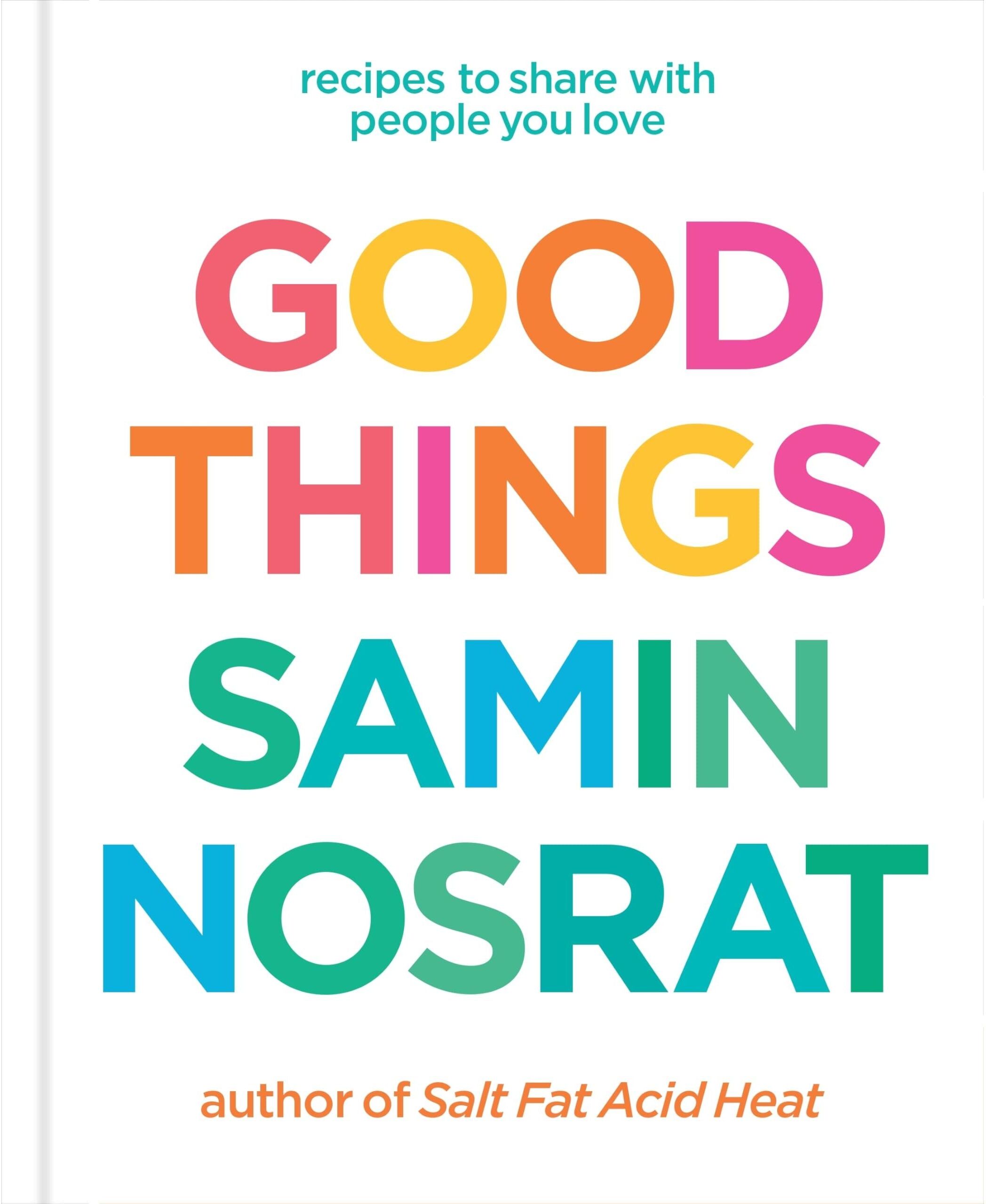
Ebury Press Good Things: Recipes to Share with People You Love - From the Host and Bestselling Author of Salt, Fat, Acid, Heat.Once I hand them off to you, these recipes are no longer mine. They’re yours, to do with as you please. And maybe, in the act of receiving, a little thread of connection will be woven between me and each of you. How can a recipe express the joy of sharing a meal in person? This is the feeling that Samin Nosrat sets out to capture in Good Things, offering more than 125 recipes for the things she most loves to cook. You’ll find go-to recipes for ricotta custard pancakes, chicken braised with apricots and harissa, a crunchy Calabrian chili crisp, super-chewy sky-high focaccia and a decades-in-the-making, childhood-evoking yellow cake. Samin also shares tips and techniques, from how to buy olive oil (check the harvest date) to when to splurge on the best ingredients (salad dressing) to the one acceptable substitute for Parmigiano Reggiano (Grana Padano, if you must). Good Things captures, with Samin’s trademark blend of warmth and precision, the essence of what makes cooking such an important source of comfort and delight, and invites you to join her at the table.23,99 £*Shipping: 2,99 £Secure redirect to the provider
-
Scholastic Share Black Stories: Picture Book ProfilesThese three stories are tales of hope, courage, and inspiration.This set includes:Bessie the Motorcycle QueenI Am Ruby BridgesJust Like Jesse Owens Share Black Stories: Picture Book Profiles47,57 $*Shipping: 0,00 $Secure redirect to the provider
-
Thumbs Up Care Bears Digital Pet - Share BearMeet Share Bear, the sweet purple Care Bear brought to life as an interactive handheld virtual pet. Small, colourful and full of personality, she brings classic Care Bears charm into a fun digital play experience you can take anywhere. With her signature heart shaped lollipop belly badge, Share Bear encourages kindness and caring through simple mini games, nurturing activities and expressive pixel style animations. Children can look after her, play along and enjoy gentle lessons about empathy, friendship and sharing while having fun. Unlock the magic with retro inspired gameplay and easy portable fun that blends 90s nostalgia with modern screen time enjoyment. A lovely gift idea for Care Bears fans, collectors or anyone looking for a positive and playful virtual pet companion. • Meet Share Bear: The lovable purple Care Bear with her heart-shaped lollipop belly badge, brought to life as a fun and interactive virtual pet. • Kindness-Focused Mini Games: Play simple games that encourage sharing and positive play, helping children learn through fun interaction. • Care & Nurture Gameplay: Feed, clean and look after Share Bear just like a classic virtual pet, building caring habits along the way. • Retro Pixel Screen Display: Watch her world come to life on a compact, colourful pixel screen that blends nostalgic charm with modern play. • Expressive Sounds & Reactions: Enjoy sweet animations, cheerful sounds and signature expressions that reflect Share Bear’s joyful personality. • Expressive Sounds & Reactions: Enjoy sweet animations, cheerful sounds and signature expressions that reflect Share Bear’s joyful personality. • Thoughtful Gift for Care Bears Fans: A cute and meaningful present for kids, collectors and anyone who loves nostalgic characters.15,49 £*Shipping: 0,00 £Secure redirect to the provider
-
How are hybrid orbitals and molecular orbitals related?
Hybrid orbitals and molecular orbitals are related in that hybrid orbitals are a combination of atomic orbitals that form when atoms bond to create a molecule. These hybrid orbitals then overlap with each other and with other atomic orbitals to form molecular orbitals, which describe the distribution of electrons in a molecule. In other words, hybrid orbitals are the building blocks that contribute to the formation of molecular orbitals, which ultimately determine the bonding and structure of a molecule. **
-
What are antibonding orbitals?
Antibonding orbitals are molecular orbitals that have higher energy than the corresponding bonding orbitals. They result from the destructive interference of atomic orbitals when they combine to form a molecule. Electrons in antibonding orbitals destabilize the molecule and weaken the bond strength between the atoms. Antibonding orbitals are denoted with an asterisk (*) symbol, such as σ* or π*. **
-
What are orbitals 2?
Orbitals are regions in an atom where electrons are likely to be found. Orbitals are described by quantum mechanics and have specific shapes and orientations. Orbitals are labeled by their energy level (n) and sublevel (s, p, d, f), and each sublevel contains a specific number of orbitals with different shapes. For example, the second energy level (n=2) contains an s orbital and three p orbitals, each with a different orientation in space. **
-
What are molecular orbitals?
Molecular orbitals are regions of space around a molecule where the probability of finding an electron is high. They are formed by the combination of atomic orbitals from the individual atoms in the molecule. Molecular orbitals can be bonding, anti-bonding, or non-bonding, and they play a crucial role in determining the electronic structure and properties of molecules. The interaction of these molecular orbitals determines the stability and reactivity of the molecule. **
Similar search terms for Orbitals
-
Can you sketch atomic orbitals?
As a language model AI, I cannot physically sketch atomic orbitals. However, I can describe them. Atomic orbitals are regions of space around the nucleus of an atom where an electron is likely to be found. They are represented as three-dimensional shapes, such as spheres, dumbbells, and other more complex shapes, which correspond to the probability of finding an electron at a particular location within the orbital. These shapes are determined by the quantum numbers that describe the energy, shape, and orientation of the orbitals. **
-
Why does the building principle require more energy for 3d orbitals than for 4s orbitals?
The building principle requires more energy for 3d orbitals than for 4s orbitals because the 3d orbitals have a higher energy level than the 4s orbitals. This is due to the different shapes and orientations of the orbitals. The 3d orbitals have more complex shapes and orientations, which require more energy to fill and stabilize. Additionally, the 4s orbital is closer to the nucleus, which results in a lower energy level compared to the 3d orbitals. **
-
How do I start learning orbitals?
To start learning about orbitals, it is important to have a basic understanding of atomic structure and quantum mechanics. You can begin by studying the different types of orbitals (s, p, d, f) and their shapes, as well as their energy levels and electron configurations. There are many resources available online, such as textbooks, videos, and online courses, that can help you learn about orbitals in more detail. It is also helpful to practice solving problems and working through examples to solidify your understanding of orbitals. **
-
What are half-filled p orbitals?
Half-filled p orbitals are a type of atomic orbital that contain one electron each. In the p subshell, there are three orbitals (px, py, and pz), each capable of holding two electrons. When a p orbital is half-filled, it means that only one electron is present in that particular orbital. This configuration is often seen in atoms or ions with five valence electrons, such as nitrogen or phosphorus. **
* All prices are inclusive of VAT and, if applicable, plus shipping costs. The offer information is based on the details provided by the respective shop and is updated through automated processes. Real-time updates do not occur, so deviations can occur in individual cases. ** Note: Parts of this content were created by AI.