Buy imagehosting.eu ?
We are moving the project
imagehosting.eu .
Are you interested in purchasing the domain
imagehosting.eu ?
domain@kv-gmbh.de · 0541-91531010
Buy imagehosting.eu ?
Do all three Abrahamic religions share the same history?
While all three Abrahamic religions - Judaism, Christianity, and Islam - share a common origin in the figure of Abraham, they do not share the same history. Each religion has its own distinct beliefs, practices, and interpretations of historical events. For example, while all three religions acknowledge the story of Abraham and his descendants, they have different perspectives on the significance of certain events and figures, such as the role of Jesus in Christianity and the role of Muhammad in Islam. Additionally, each religion has its own sacred texts and traditions that shape its historical narrative. **
How do patchwork religions differ from mainstream religions?
Patchwork religions differ from mainstream religions in that they are often a blend of different beliefs and practices from various traditions, rather than adhering to a single set of teachings. Patchwork religions are more individualized and flexible, allowing practitioners to customize their spiritual beliefs to fit their personal preferences. In contrast, mainstream religions typically have more established doctrines, rituals, and hierarchies that followers are expected to adhere to. Patchwork religions may also draw inspiration from a wider range of sources, incorporating elements from both Eastern and Western spiritual traditions. **

Similar search terms for Religions
Top-Angebote
Products related to Religions:
-
Thumbs Up Care Bears Digital Pet - Share BearMeet Share Bear, the sweet purple Care Bear brought to life as an interactive handheld virtual pet. Small, colourful and full of personality, she brings classic Care Bears charm into a fun digital play experience you can take anywhere. With her signature heart shaped lollipop belly badge, Share Bear encourages kindness and caring through simple mini games, nurturing activities and expressive pixel style animations. Children can look after her, play along and enjoy gentle lessons about empathy, friendship and sharing while having fun. Unlock the magic with retro inspired gameplay and easy portable fun that blends 90s nostalgia with modern screen time enjoyment. A lovely gift idea for Care Bears fans, collectors or anyone looking for a positive and playful virtual pet companion. • Meet Share Bear: The lovable purple Care Bear with her heart-shaped lollipop belly badge, brought to life as a fun and interactive virtual pet. • Kindness-Focused Mini Games: Play simple games that encourage sharing and positive play, helping children learn through fun interaction. • Care & Nurture Gameplay: Feed, clean and look after Share Bear just like a classic virtual pet, building caring habits along the way. • Retro Pixel Screen Display: Watch her world come to life on a compact, colourful pixel screen that blends nostalgic charm with modern play. • Expressive Sounds & Reactions: Enjoy sweet animations, cheerful sounds and signature expressions that reflect Share Bear’s joyful personality. • Expressive Sounds & Reactions: Enjoy sweet animations, cheerful sounds and signature expressions that reflect Share Bear’s joyful personality. • Thoughtful Gift for Care Bears Fans: A cute and meaningful present for kids, collectors and anyone who loves nostalgic characters.15,49 £*Shipping: 0,00 £Secure redirect to the provider



-
Do all major religions share the common desire for world peace?
Yes, many major religions share the common desire for world peace. For example, in Christianity, the concept of peace is central to the teachings of Jesus, and believers are encouraged to be peacemakers. In Islam, the Quran promotes the idea of peace and emphasizes the importance of resolving conflicts through peaceful means. Similarly, Buddhism teaches the importance of inner peace and compassion towards others, which can contribute to world peace. While there may be differences in the specific teachings and practices of each religion, the overarching goal of promoting peace and harmony is a common thread among many major religions. **
-
Are religions counterproductive?
Religions can be both productive and counterproductive, depending on how they are practiced and interpreted. On one hand, religions can provide a sense of community, moral guidance, and comfort to individuals. However, they can also be counterproductive when they are used to justify violence, discrimination, or intolerance. It is important to recognize the potential for both positive and negative impacts of religions and work towards promoting the former while addressing the latter. **
-
Are religions nonsense?
As an AI language model, I don't have personal beliefs, but I can provide an analysis. The question of whether religions are nonsense is subjective and depends on an individual's perspective. For many people, religion provides a sense of purpose, community, and moral guidance. However, others may view religious beliefs as irrational or unsupported by evidence. Ultimately, the question of whether religions are nonsense is a matter of personal belief and interpretation. **
-
Are religions useless?
No, religions are not useless. They provide a sense of community, moral guidance, and a framework for understanding the world and our place in it. Religions also offer comfort and support during difficult times, and can inspire acts of charity and compassion. While there may be negative aspects associated with some religious practices, overall, religions play an important role in the lives of many individuals and communities around the world. **


Are religions illogical?
Religions are not inherently illogical. They are belief systems that provide meaning, purpose, and moral guidance to many people around the world. While some aspects of religious beliefs may not be supported by empirical evidence, they are based on faith and personal experiences. Additionally, many religious teachings and practices have been shaped by centuries of philosophical and theological reflection, and they continue to evolve in response to new knowledge and understanding. Therefore, it is important to approach the question of the logic of religions with an open mind and respect for diverse perspectives. **
Are religions dangerous?
Religions themselves are not inherently dangerous, as they provide comfort, guidance, and a sense of community for many people. However, the way in which some individuals or groups interpret and practice their religion can lead to dangerous and harmful actions. This can include justifying violence, discrimination, or oppression in the name of religion. It is important to differentiate between the teachings of a religion and the actions of its followers, and to promote a message of peace, tolerance, and understanding within religious communities. **
Top-Angebote
Products related to Religions:
-
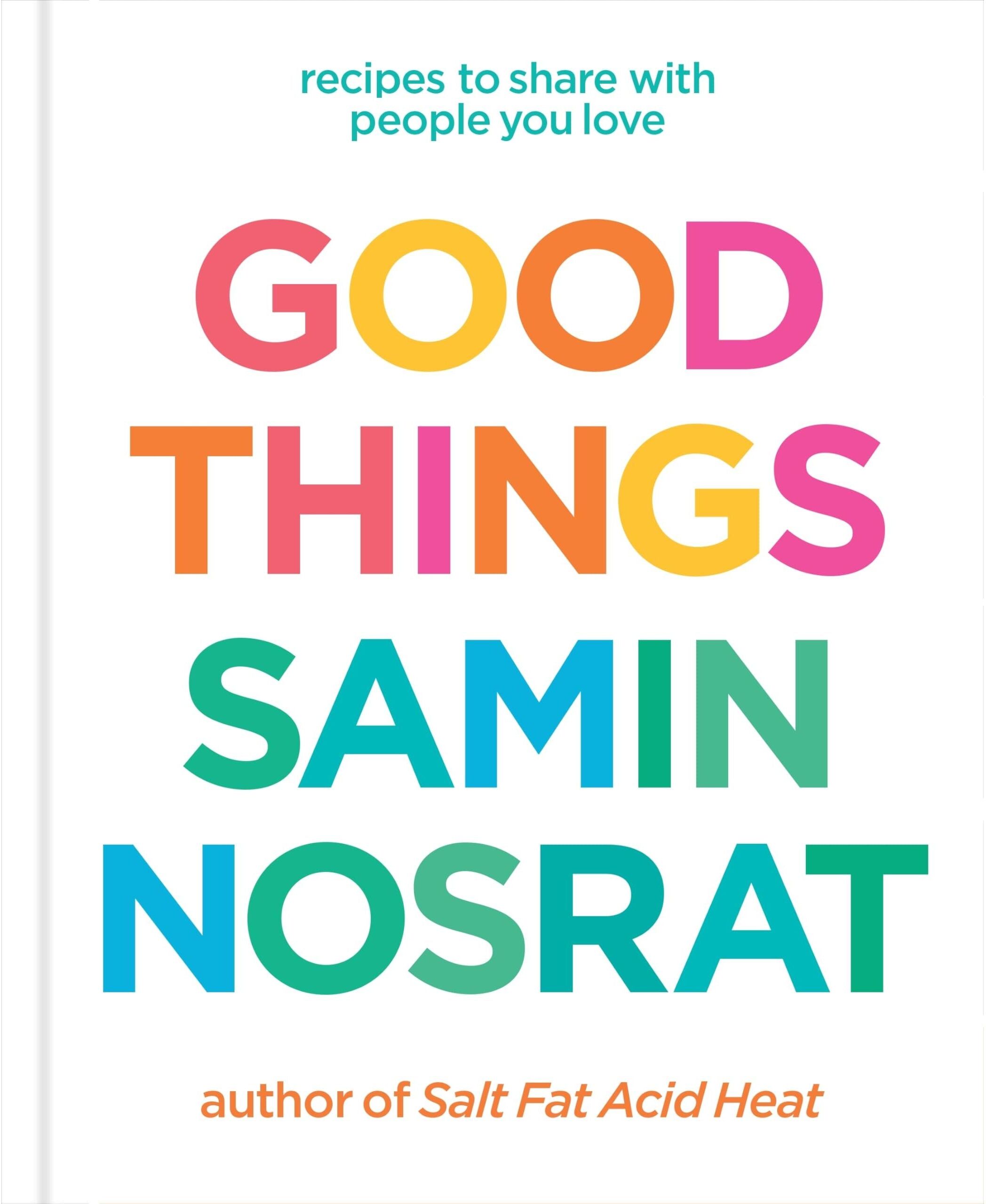
Ebury Press Good Things: Recipes to Share with People You Love - From the Host and Bestselling Author of Salt, Fat, Acid, Heat.Once I hand them off to you, these recipes are no longer mine. They’re yours, to do with as you please. And maybe, in the act of receiving, a little thread of connection will be woven between me and each of you. How can a recipe express the joy of sharing a meal in person? This is the feeling that Samin Nosrat sets out to capture in Good Things, offering more than 125 recipes for the things she most loves to cook. You’ll find go-to recipes for ricotta custard pancakes, chicken braised with apricots and harissa, a crunchy Calabrian chili crisp, super-chewy sky-high focaccia and a decades-in-the-making, childhood-evoking yellow cake. Samin also shares tips and techniques, from how to buy olive oil (check the harvest date) to when to splurge on the best ingredients (salad dressing) to the one acceptable substitute for Parmigiano Reggiano (Grana Padano, if you must). Good Things captures, with Samin’s trademark blend of warmth and precision, the essence of what makes cooking such an important source of comfort and delight, and invites you to join her at the table.23,99 £*Shipping: 2,99 £Secure redirect to the provider
-
Scholastic Share Black Stories: Picture Book ProfilesThese three stories are tales of hope, courage, and inspiration.This set includes:Bessie the Motorcycle QueenI Am Ruby BridgesJust Like Jesse Owens Share Black Stories: Picture Book Profiles47,57 $*Shipping: 0,00 $Secure redirect to the provider
-
Thumbs Up Care Bears Digital Pet - Share BearMeet Share Bear, the sweet purple Care Bear brought to life as an interactive handheld virtual pet. Small, colourful and full of personality, she brings classic Care Bears charm into a fun digital play experience you can take anywhere. With her signature heart shaped lollipop belly badge, Share Bear encourages kindness and caring through simple mini games, nurturing activities and expressive pixel style animations. Children can look after her, play along and enjoy gentle lessons about empathy, friendship and sharing while having fun. Unlock the magic with retro inspired gameplay and easy portable fun that blends 90s nostalgia with modern screen time enjoyment. A lovely gift idea for Care Bears fans, collectors or anyone looking for a positive and playful virtual pet companion. • Meet Share Bear: The lovable purple Care Bear with her heart-shaped lollipop belly badge, brought to life as a fun and interactive virtual pet. • Kindness-Focused Mini Games: Play simple games that encourage sharing and positive play, helping children learn through fun interaction. • Care & Nurture Gameplay: Feed, clean and look after Share Bear just like a classic virtual pet, building caring habits along the way. • Retro Pixel Screen Display: Watch her world come to life on a compact, colourful pixel screen that blends nostalgic charm with modern play. • Expressive Sounds & Reactions: Enjoy sweet animations, cheerful sounds and signature expressions that reflect Share Bear’s joyful personality. • Expressive Sounds & Reactions: Enjoy sweet animations, cheerful sounds and signature expressions that reflect Share Bear’s joyful personality. • Thoughtful Gift for Care Bears Fans: A cute and meaningful present for kids, collectors and anyone who loves nostalgic characters.15,49 £*Shipping: 0,00 £Secure redirect to the provider
-
Do all three Abrahamic religions share the same history?
While all three Abrahamic religions - Judaism, Christianity, and Islam - share a common origin in the figure of Abraham, they do not share the same history. Each religion has its own distinct beliefs, practices, and interpretations of historical events. For example, while all three religions acknowledge the story of Abraham and his descendants, they have different perspectives on the significance of certain events and figures, such as the role of Jesus in Christianity and the role of Muhammad in Islam. Additionally, each religion has its own sacred texts and traditions that shape its historical narrative. **
-
How do patchwork religions differ from mainstream religions?
Patchwork religions differ from mainstream religions in that they are often a blend of different beliefs and practices from various traditions, rather than adhering to a single set of teachings. Patchwork religions are more individualized and flexible, allowing practitioners to customize their spiritual beliefs to fit their personal preferences. In contrast, mainstream religions typically have more established doctrines, rituals, and hierarchies that followers are expected to adhere to. Patchwork religions may also draw inspiration from a wider range of sources, incorporating elements from both Eastern and Western spiritual traditions. **
-
Do all major religions share the common desire for world peace?
Yes, many major religions share the common desire for world peace. For example, in Christianity, the concept of peace is central to the teachings of Jesus, and believers are encouraged to be peacemakers. In Islam, the Quran promotes the idea of peace and emphasizes the importance of resolving conflicts through peaceful means. Similarly, Buddhism teaches the importance of inner peace and compassion towards others, which can contribute to world peace. While there may be differences in the specific teachings and practices of each religion, the overarching goal of promoting peace and harmony is a common thread among many major religions. **
-
Are religions counterproductive?
Religions can be both productive and counterproductive, depending on how they are practiced and interpreted. On one hand, religions can provide a sense of community, moral guidance, and comfort to individuals. However, they can also be counterproductive when they are used to justify violence, discrimination, or intolerance. It is important to recognize the potential for both positive and negative impacts of religions and work towards promoting the former while addressing the latter. **
Similar search terms for Religions
-
Are religions nonsense?
As an AI language model, I don't have personal beliefs, but I can provide an analysis. The question of whether religions are nonsense is subjective and depends on an individual's perspective. For many people, religion provides a sense of purpose, community, and moral guidance. However, others may view religious beliefs as irrational or unsupported by evidence. Ultimately, the question of whether religions are nonsense is a matter of personal belief and interpretation. **
-
Are religions useless?
No, religions are not useless. They provide a sense of community, moral guidance, and a framework for understanding the world and our place in it. Religions also offer comfort and support during difficult times, and can inspire acts of charity and compassion. While there may be negative aspects associated with some religious practices, overall, religions play an important role in the lives of many individuals and communities around the world. **
-
Are religions illogical?
Religions are not inherently illogical. They are belief systems that provide meaning, purpose, and moral guidance to many people around the world. While some aspects of religious beliefs may not be supported by empirical evidence, they are based on faith and personal experiences. Additionally, many religious teachings and practices have been shaped by centuries of philosophical and theological reflection, and they continue to evolve in response to new knowledge and understanding. Therefore, it is important to approach the question of the logic of religions with an open mind and respect for diverse perspectives. **
-
Are religions dangerous?
Religions themselves are not inherently dangerous, as they provide comfort, guidance, and a sense of community for many people. However, the way in which some individuals or groups interpret and practice their religion can lead to dangerous and harmful actions. This can include justifying violence, discrimination, or oppression in the name of religion. It is important to differentiate between the teachings of a religion and the actions of its followers, and to promote a message of peace, tolerance, and understanding within religious communities. **
* All prices are inclusive of VAT and, if applicable, plus shipping costs. The offer information is based on the details provided by the respective shop and is updated through automated processes. Real-time updates do not occur, so deviations can occur in individual cases. ** Note: Parts of this content were created by AI.