Buy imagehosting.eu ?
We are moving the project
imagehosting.eu .
Are you interested in purchasing the domain
imagehosting.eu ?
domain@kv-gmbh.de · 0541-91531010
Buy imagehosting.eu ?
Does acoustic foam provide soundproofing?
Acoustic foam is designed to absorb sound waves and reduce echo within a room, making it ideal for improving sound quality. However, it is not effective at soundproofing, as it does not block sound from entering or leaving a space. To achieve soundproofing, additional materials such as mass-loaded vinyl, soundproof curtains, or acoustic panels with soundproofing properties would be needed. **
Does soundproofing really work that well?
Soundproofing can be effective in reducing the transmission of noise between spaces, but its effectiveness can vary depending on the materials used, the construction of the building, and the specific noise sources. While soundproofing can significantly reduce noise levels, it may not completely eliminate all sounds. It is important to properly assess the noise sources and use appropriate soundproofing techniques to achieve the desired level of noise reduction. **


Similar search terms for Soundproofing
Top-Angebote
Products related to Soundproofing:
-
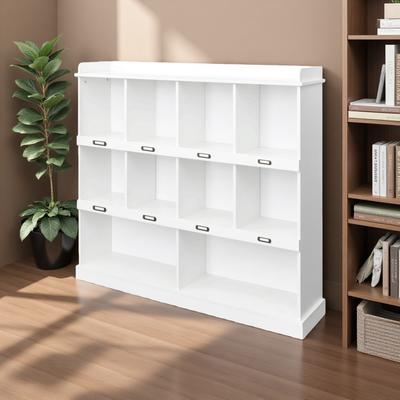
ZWYO HOSIMU "53.15"" 10-Shelf Bookcase with Cubbyhole Storage & Gallery Display Top, Particle Board Open Bookshelf for Living Room"10-Shelf Bookcase with Cubby Storage - Modern Wooden Storage Organizer Organize your home or office with this spacious 10-shelf bookcase, designed to combine modern style with practical storage.249,99 $*Shipping: 0,00 $Secure redirect to the provider



-
Is smooth foam sufficient for soundproofing?
Smooth foam alone is not sufficient for soundproofing as it primarily absorbs high-frequency sounds and reduces echoes, but it may not effectively block out lower frequency noises. To achieve comprehensive soundproofing, a combination of materials such as foam panels, acoustic tiles, bass traps, and soundproof curtains should be used to absorb, dampen, and block sound waves effectively. Smooth foam can be a useful component in a soundproofing setup, but it should be complemented with other materials for optimal results. **
-
Is there soundproofing for carpet floors?
Yes, there are soundproofing options available for carpet floors. Adding a thick underlay beneath the carpet can help reduce noise transmission between floors. Additionally, using dense carpet materials and installing carpets wall-to-wall can also help absorb sound and minimize noise transfer. It is important to consider these options if soundproofing is a priority in your space. **
-
How do foam soundproofing materials work?
Foam soundproofing materials work by absorbing and dampening sound waves. When sound waves hit the foam, they are converted into small amounts of heat energy through friction within the foam's structure. This reduces the amplitude of the sound waves, thereby reducing the overall noise level. The porous and open-cell structure of foam materials also helps to trap and dissipate sound energy, further reducing the transmission of sound through walls or other surfaces. Overall, foam soundproofing materials are effective at reducing noise levels by absorbing and dampening sound waves. **
-
Is there soundproofing for carpeted floors?
Yes, soundproofing can be added to carpeted floors to help reduce noise transmission between floors. This can be achieved by using soundproof underlayment or acoustic mats underneath the carpet. Additionally, thicker carpets with dense fibers can also help absorb sound and reduce noise transfer. It is important to consider the type of soundproofing material and the thickness of the carpet when trying to minimize noise in a space. **
Is this mattress good for soundproofing?
No, this mattress is not designed for soundproofing. While mattresses can help absorb some sound, they are not an effective solution for soundproofing a room. To effectively soundproof a space, it is best to use materials specifically designed for that purpose, such as acoustic panels, soundproof curtains, or insulation. **
How does soundproofing work on the door?
Soundproofing on a door typically involves adding materials that absorb or block sound waves. This can include adding a dense material like foam or rubber to the door, sealing any gaps or cracks that sound could leak through, and installing a door sweep at the bottom to prevent sound from traveling underneath. By adding these soundproofing elements, the door can help reduce the amount of noise that passes through it, creating a quieter environment on either side of the door. **
Top-Angebote
Products related to Soundproofing:
-
Ebury Press Good Things: Recipes to Share with People You Love - From the Host and Bestselling Author of Salt, Fat, Acid, Heat.Once I hand them off to you, these recipes are no longer mine. They’re yours, to do with as you please. And maybe, in the act of receiving, a little thread of connection will be woven between me and each of you. How can a recipe express the joy of sharing a meal in person? This is the feeling that Samin Nosrat sets out to capture in Good Things, offering more than 125 recipes for the things she most loves to cook. You’ll find go-to recipes for ricotta custard pancakes, chicken braised with apricots and harissa, a crunchy Calabrian chili crisp, super-chewy sky-high focaccia and a decades-in-the-making, childhood-evoking yellow cake. Samin also shares tips and techniques, from how to buy olive oil (check the harvest date) to when to splurge on the best ingredients (salad dressing) to the one acceptable substitute for Parmigiano Reggiano (Grana Padano, if you must). Good Things captures, with Samin’s trademark blend of warmth and precision, the essence of what makes cooking such an important source of comfort and delight, and invites you to join her at the table.23,99 £*Shipping: 2,99 £Secure redirect to the provider
-
Scholastic Share Black Stories: Picture Book ProfilesThese three stories are tales of hope, courage, and inspiration.This set includes:Bessie the Motorcycle QueenI Am Ruby BridgesJust Like Jesse Owens Share Black Stories: Picture Book Profiles47,57 $*Shipping: 0,00 $Secure redirect to the provider
-
ZWYO HOSIMU "53.15"" 10-Shelf Bookcase with Cubbyhole Storage & Gallery Display Top, Particle Board Open Bookshelf for Living Room"10-Shelf Bookcase with Cubby Storage - Modern Wooden Storage Organizer Organize your home or office with this spacious 10-shelf bookcase, designed to combine modern style with practical storage.249,99 $*Shipping: 0,00 $Secure redirect to the provider
-
Does acoustic foam provide soundproofing?
Acoustic foam is designed to absorb sound waves and reduce echo within a room, making it ideal for improving sound quality. However, it is not effective at soundproofing, as it does not block sound from entering or leaving a space. To achieve soundproofing, additional materials such as mass-loaded vinyl, soundproof curtains, or acoustic panels with soundproofing properties would be needed. **
-
Does soundproofing really work that well?
Soundproofing can be effective in reducing the transmission of noise between spaces, but its effectiveness can vary depending on the materials used, the construction of the building, and the specific noise sources. While soundproofing can significantly reduce noise levels, it may not completely eliminate all sounds. It is important to properly assess the noise sources and use appropriate soundproofing techniques to achieve the desired level of noise reduction. **
-
Is smooth foam sufficient for soundproofing?
Smooth foam alone is not sufficient for soundproofing as it primarily absorbs high-frequency sounds and reduces echoes, but it may not effectively block out lower frequency noises. To achieve comprehensive soundproofing, a combination of materials such as foam panels, acoustic tiles, bass traps, and soundproof curtains should be used to absorb, dampen, and block sound waves effectively. Smooth foam can be a useful component in a soundproofing setup, but it should be complemented with other materials for optimal results. **
-
Is there soundproofing for carpet floors?
Yes, there are soundproofing options available for carpet floors. Adding a thick underlay beneath the carpet can help reduce noise transmission between floors. Additionally, using dense carpet materials and installing carpets wall-to-wall can also help absorb sound and minimize noise transfer. It is important to consider these options if soundproofing is a priority in your space. **
Similar search terms for Soundproofing
-
How do foam soundproofing materials work?
Foam soundproofing materials work by absorbing and dampening sound waves. When sound waves hit the foam, they are converted into small amounts of heat energy through friction within the foam's structure. This reduces the amplitude of the sound waves, thereby reducing the overall noise level. The porous and open-cell structure of foam materials also helps to trap and dissipate sound energy, further reducing the transmission of sound through walls or other surfaces. Overall, foam soundproofing materials are effective at reducing noise levels by absorbing and dampening sound waves. **
-
Is there soundproofing for carpeted floors?
Yes, soundproofing can be added to carpeted floors to help reduce noise transmission between floors. This can be achieved by using soundproof underlayment or acoustic mats underneath the carpet. Additionally, thicker carpets with dense fibers can also help absorb sound and reduce noise transfer. It is important to consider the type of soundproofing material and the thickness of the carpet when trying to minimize noise in a space. **
-
Is this mattress good for soundproofing?
No, this mattress is not designed for soundproofing. While mattresses can help absorb some sound, they are not an effective solution for soundproofing a room. To effectively soundproof a space, it is best to use materials specifically designed for that purpose, such as acoustic panels, soundproof curtains, or insulation. **
-
How does soundproofing work on the door?
Soundproofing on a door typically involves adding materials that absorb or block sound waves. This can include adding a dense material like foam or rubber to the door, sealing any gaps or cracks that sound could leak through, and installing a door sweep at the bottom to prevent sound from traveling underneath. By adding these soundproofing elements, the door can help reduce the amount of noise that passes through it, creating a quieter environment on either side of the door. **
* All prices are inclusive of VAT and, if applicable, plus shipping costs. The offer information is based on the details provided by the respective shop and is updated through automated processes. Real-time updates do not occur, so deviations can occur in individual cases. ** Note: Parts of this content were created by AI.