Buy imagehosting.eu ?
We are moving the project
imagehosting.eu .
Are you interested in purchasing the domain
imagehosting.eu ?
domain@kv-gmbh.de · 0541-91531010
Buy imagehosting.eu ?
Throw or throw?
The correct word to use in this context is "throw." "Throw" is a verb that means to propel something through the air by a movement of the arm and hand. On the other hand, "throw" is a noun that refers to an act of throwing. So, if you are asking about the action of propelling something through the air, the correct word to use is "throw." **
Throw or toss?
Both "throw" and "toss" are commonly used interchangeably to describe the action of propelling an object through the air. However, "throw" is generally considered to be more forceful and deliberate, while "toss" is often used to describe a lighter, more casual action. The choice between the two words may depend on the context and the level of force or intention behind the action. **

Similar search terms for Throw
Top-Angebote
Products related to Throw:
-
Scholastic Share Black Stories: Picture Book ProfilesThese three stories are tales of hope, courage, and inspiration.This set includes:Bessie the Motorcycle QueenI Am Ruby BridgesJust Like Jesse Owens Share Black Stories: Picture Book Profiles47,57 $*Shipping: 0,00 $Secure redirect to the provider



-
What is the difference between javelin throw and howler throw?
Javelin throw and howler throw are both athletic events that involve throwing an object for distance. The main difference between the two is the type of object being thrown. In javelin throw, athletes throw a spear-like object called a javelin, while in howler throw, athletes throw a weighted object with a handle called a howler. Additionally, the techniques and rules for each event are different, with javelin throw requiring a running start and a specific throwing motion, while howler throw typically involves a standing throw with a different technique. **
-
Throw or toss important?
Both "throw" and "toss" can be used to describe the action of propelling something through the air with a quick motion. The choice between the two often depends on the context and the level of force or casualness involved. "Throw" tends to imply a stronger or more deliberate action, while "toss" often conveys a more casual or gentle motion. Ultimately, the choice between the two depends on the specific nuance or emphasis you want to convey in your communication. **
-
What is the difference between the first throw and a subsequent throw?
The first throw in a game typically sets the tone and initial score, often determining the starting point for the player. Subsequent throws, on the other hand, are influenced by the outcome of the first throw and any adjustments made based on that result. The first throw is like a blank slate, while subsequent throws build upon the previous results, making them potentially more strategic and calculated. **
-
What is the difference between an oblique throw and a horizontal throw?
An oblique throw is a type of throw in which the object is launched at an angle between 0 and 90 degrees relative to the horizontal plane. This means that the object is launched in a diagonal direction, combining both vertical and horizontal components. On the other hand, a horizontal throw is a type of throw in which the object is launched parallel to the ground, with no vertical component. This means that the object is launched directly in the horizontal direction, without any upward or downward motion. **


What is the difference between a day throw and a night throw?
A day throw is a throw that is designed to be visible and stand out during the daytime. It often features bright colors and bold patterns to catch the eye. On the other hand, a night throw is designed to be visible in low light or darkness, often featuring reflective materials or light-up elements to make it stand out in the dark. Both types of throws serve the same purpose of being easily visible, but they are designed with different lighting conditions in mind. **
How do I calculate the remaining values in an oblique throw when only the throw time and throw distance are given?
To calculate the remaining values in an oblique throw when only the throw time and throw distance are given, you can use the equations of motion for projectile motion. First, you can calculate the initial velocity by dividing the throw distance by the throw time. Then, you can use this initial velocity to find the vertical and horizontal components of the velocity, as well as the maximum height reached by the object. Finally, you can calculate the angle of projection using trigonometric functions. **
Top-Angebote
Products related to Throw:
-
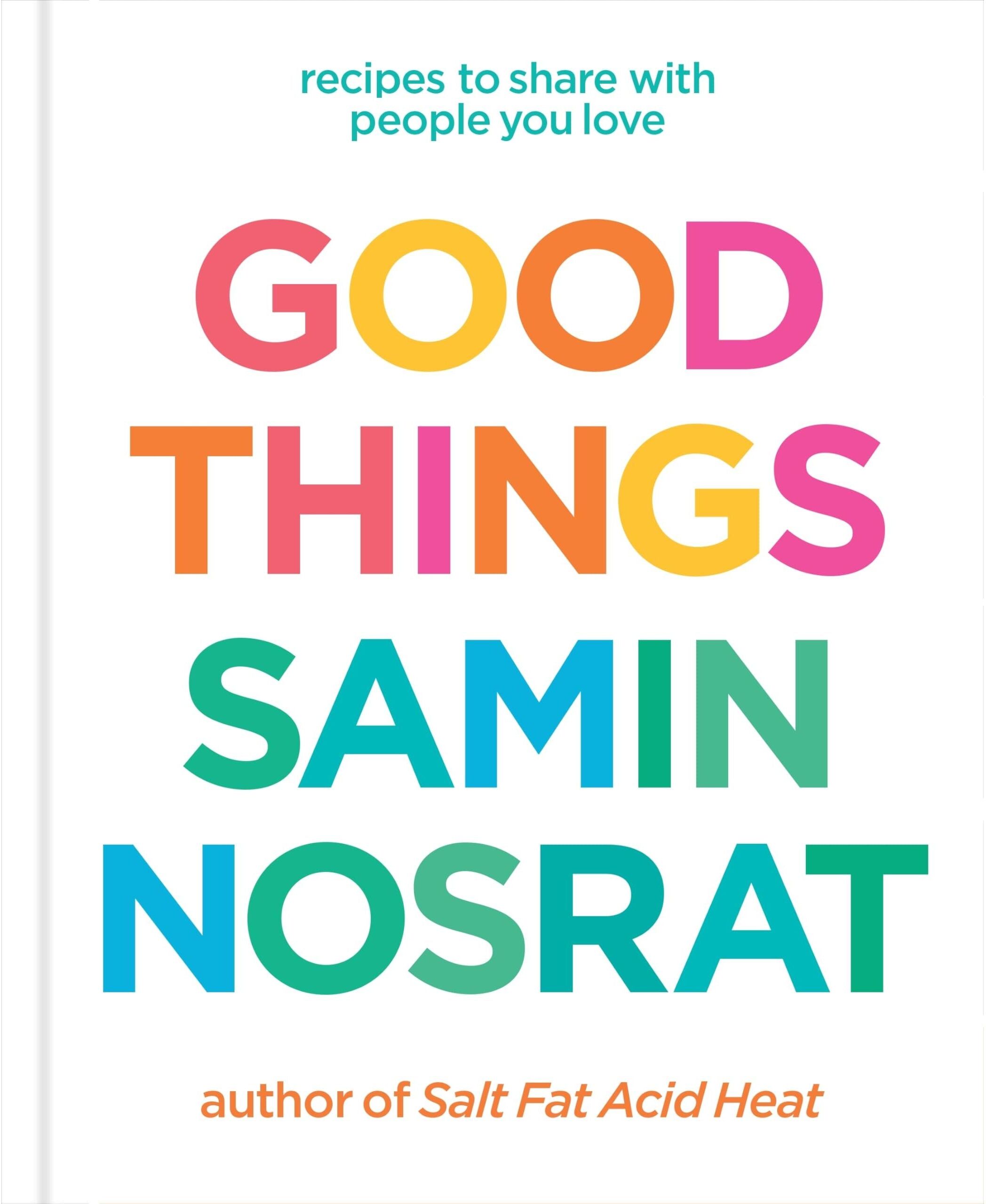
Ebury Press Good Things: Recipes to Share with People You Love - From the Host and Bestselling Author of Salt, Fat, Acid, Heat.Once I hand them off to you, these recipes are no longer mine. They’re yours, to do with as you please. And maybe, in the act of receiving, a little thread of connection will be woven between me and each of you. How can a recipe express the joy of sharing a meal in person? This is the feeling that Samin Nosrat sets out to capture in Good Things, offering more than 125 recipes for the things she most loves to cook. You’ll find go-to recipes for ricotta custard pancakes, chicken braised with apricots and harissa, a crunchy Calabrian chili crisp, super-chewy sky-high focaccia and a decades-in-the-making, childhood-evoking yellow cake. Samin also shares tips and techniques, from how to buy olive oil (check the harvest date) to when to splurge on the best ingredients (salad dressing) to the one acceptable substitute for Parmigiano Reggiano (Grana Padano, if you must). Good Things captures, with Samin’s trademark blend of warmth and precision, the essence of what makes cooking such an important source of comfort and delight, and invites you to join her at the table.23,99 £*Shipping: 2,99 £Secure redirect to the provider
-
Scholastic Share Black Stories: Picture Book ProfilesThese three stories are tales of hope, courage, and inspiration.This set includes:Bessie the Motorcycle QueenI Am Ruby BridgesJust Like Jesse Owens Share Black Stories: Picture Book Profiles47,57 $*Shipping: 0,00 $Secure redirect to the provider
-
Throw or throw?
The correct word to use in this context is "throw." "Throw" is a verb that means to propel something through the air by a movement of the arm and hand. On the other hand, "throw" is a noun that refers to an act of throwing. So, if you are asking about the action of propelling something through the air, the correct word to use is "throw." **
-
Throw or toss?
Both "throw" and "toss" are commonly used interchangeably to describe the action of propelling an object through the air. However, "throw" is generally considered to be more forceful and deliberate, while "toss" is often used to describe a lighter, more casual action. The choice between the two words may depend on the context and the level of force or intention behind the action. **
-
What is the difference between javelin throw and howler throw?
Javelin throw and howler throw are both athletic events that involve throwing an object for distance. The main difference between the two is the type of object being thrown. In javelin throw, athletes throw a spear-like object called a javelin, while in howler throw, athletes throw a weighted object with a handle called a howler. Additionally, the techniques and rules for each event are different, with javelin throw requiring a running start and a specific throwing motion, while howler throw typically involves a standing throw with a different technique. **
-
Throw or toss important?
Both "throw" and "toss" can be used to describe the action of propelling something through the air with a quick motion. The choice between the two often depends on the context and the level of force or casualness involved. "Throw" tends to imply a stronger or more deliberate action, while "toss" often conveys a more casual or gentle motion. Ultimately, the choice between the two depends on the specific nuance or emphasis you want to convey in your communication. **
Similar search terms for Throw
-
What is the difference between the first throw and a subsequent throw?
The first throw in a game typically sets the tone and initial score, often determining the starting point for the player. Subsequent throws, on the other hand, are influenced by the outcome of the first throw and any adjustments made based on that result. The first throw is like a blank slate, while subsequent throws build upon the previous results, making them potentially more strategic and calculated. **
-
What is the difference between an oblique throw and a horizontal throw?
An oblique throw is a type of throw in which the object is launched at an angle between 0 and 90 degrees relative to the horizontal plane. This means that the object is launched in a diagonal direction, combining both vertical and horizontal components. On the other hand, a horizontal throw is a type of throw in which the object is launched parallel to the ground, with no vertical component. This means that the object is launched directly in the horizontal direction, without any upward or downward motion. **
-
What is the difference between a day throw and a night throw?
A day throw is a throw that is designed to be visible and stand out during the daytime. It often features bright colors and bold patterns to catch the eye. On the other hand, a night throw is designed to be visible in low light or darkness, often featuring reflective materials or light-up elements to make it stand out in the dark. Both types of throws serve the same purpose of being easily visible, but they are designed with different lighting conditions in mind. **
-
How do I calculate the remaining values in an oblique throw when only the throw time and throw distance are given?
To calculate the remaining values in an oblique throw when only the throw time and throw distance are given, you can use the equations of motion for projectile motion. First, you can calculate the initial velocity by dividing the throw distance by the throw time. Then, you can use this initial velocity to find the vertical and horizontal components of the velocity, as well as the maximum height reached by the object. Finally, you can calculate the angle of projection using trigonometric functions. **
* All prices are inclusive of VAT and, if applicable, plus shipping costs. The offer information is based on the details provided by the respective shop and is updated through automated processes. Real-time updates do not occur, so deviations can occur in individual cases. ** Note: Parts of this content were created by AI.